

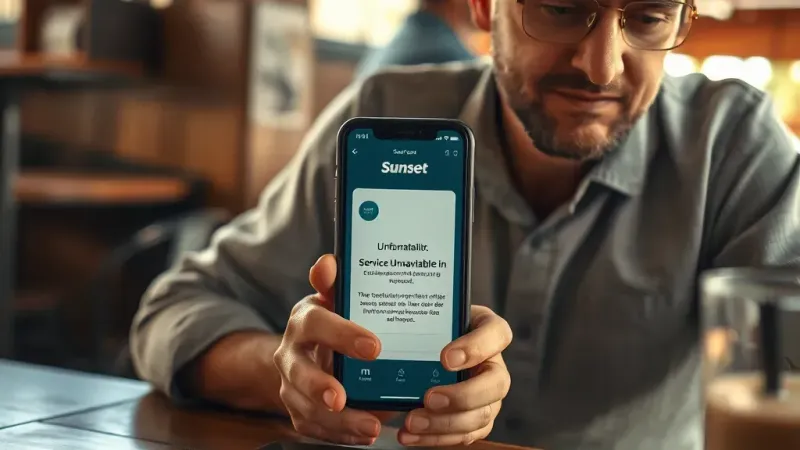
Kalshi is officially blocking Utah users from accessing its platform following a pivotal federal court ruling, as Homepage reported in its coverage of the unfolding legal conflict. The restriction affects a substantial portion of the platform's user base, given that more than 177,000 Utahns use Kalshi prediction markets for various activities. The sudden cessation of service marks a major escalation in the ongoing regulatory and legal battles facing the prediction market operator within the state boundaries of Utah.
State officials have reacted strongly to the judicial outcomes and the subsequent operational changes. Utah Attorney General Derek Brown expressed thrill over the decision that emerged from the federal court proceedings. The opposition from the state has not been limited to standard regulatory pushback; the conflict has intensified significantly with the revelation that felony gambling charges were filed against two Kalshi executives, a move that places individual leaders of the company directly in the crosshairs of state enforcement efforts led by Utah Attorney General Derek Brown.
Meanwhile, the broader regulatory environment features competing claims of authority from federal agencies. Specifically, the Commodity Futures Trading Commission argues that the federal government holds exclusive jurisdiction over these types of financial prediction markets, positioning federal regulatory interests directly against the state-level enforcement actions being pursued by Utah authorities. This jurisdictional dispute forms the core backdrop of the ongoing litigation.
In response to the unfavorable judicial developments and the immediate threat of state enforcement, the platform felt compelled to suspend its local availability. Explaining the operational pause and the reasoning behind it, a Kalshi spokesperson told Homepage, "Due to the adverse final judgment in federal court, and the federal court not yet having granted the CFTC’s emergency request to enjoin Utah’s enforcement actions, Kalshi has made the difficult decision to pause its operations in Utah."
The company has made it clear that while it is complying with the current legal realities by blocking local users, it intends to pursue its legal options moving forward. Highlighting the immense impact on its customer base and the firm's long-term intentions, the Kalshi spokesperson also told Homepage, "This is an unfortunate outcome for the more than 177,000 Utahns who use Kalshi. We will continue to fight this in court, and we look forward to returning to Utah once our legal position is vindicated." The ongoing legal battle thus continues on multiple fronts, involving state prosecutors, federal regulatory agencies, and the federal judiciary.